

Payroll outsourcing in Latin America: what are the real benefits (and what KPIs should guide the decision)?

Payroll is a silent process... until it fails. And when it fails, it impacts trust, internal morale, and compliance.

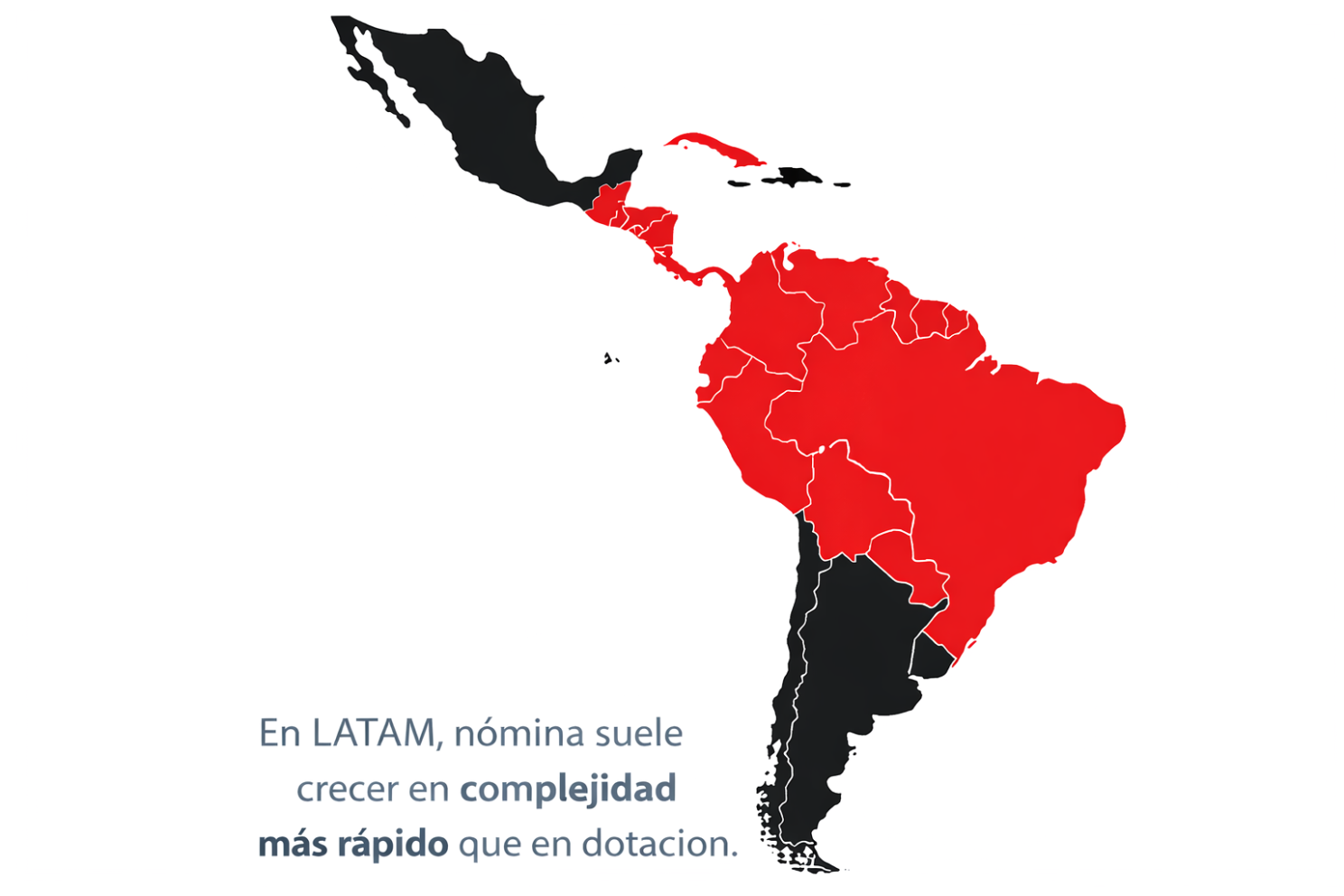
Therefore, evaluating payroll outsourcing is not just a "cost" decision: it is a decision about operational capacity, control, compliance, and scalability, especially in growing organizations with multiple locations or multi-country operations.
Article content

1) The real dilemma: unit cost vs. total cost (and risk)

A common idea is: "if I outsource, I lower costs." But comparative evidence shows that direct unit costs do not always decrease when outsourcing.

A global payroll benchmark reports that the cost per employee served may be lower in internal operations than inmanaged services orcomprehensive models. In reference numbers:

  • Internal operation: ~USD 110 per employee served
  • Managed services: ~USD 171
  • Comprehensive: ~USD 193

This does not mean "do not outsource." It means something more important: many companies outsource for risk, complexity, continuity, and technological enablement, not for an automatic promise of direct cost savings.

Por eso, la conversación debería moverse desde “tarifa” a TCO (Total Cost of Ownership): el costo real incluye también retrabajo, conciliaciones, tickets, incidentes, auditorías, continuidad y el impacto de errores.
2) Benefits that are usually consistent (and how to measure them)

Article content

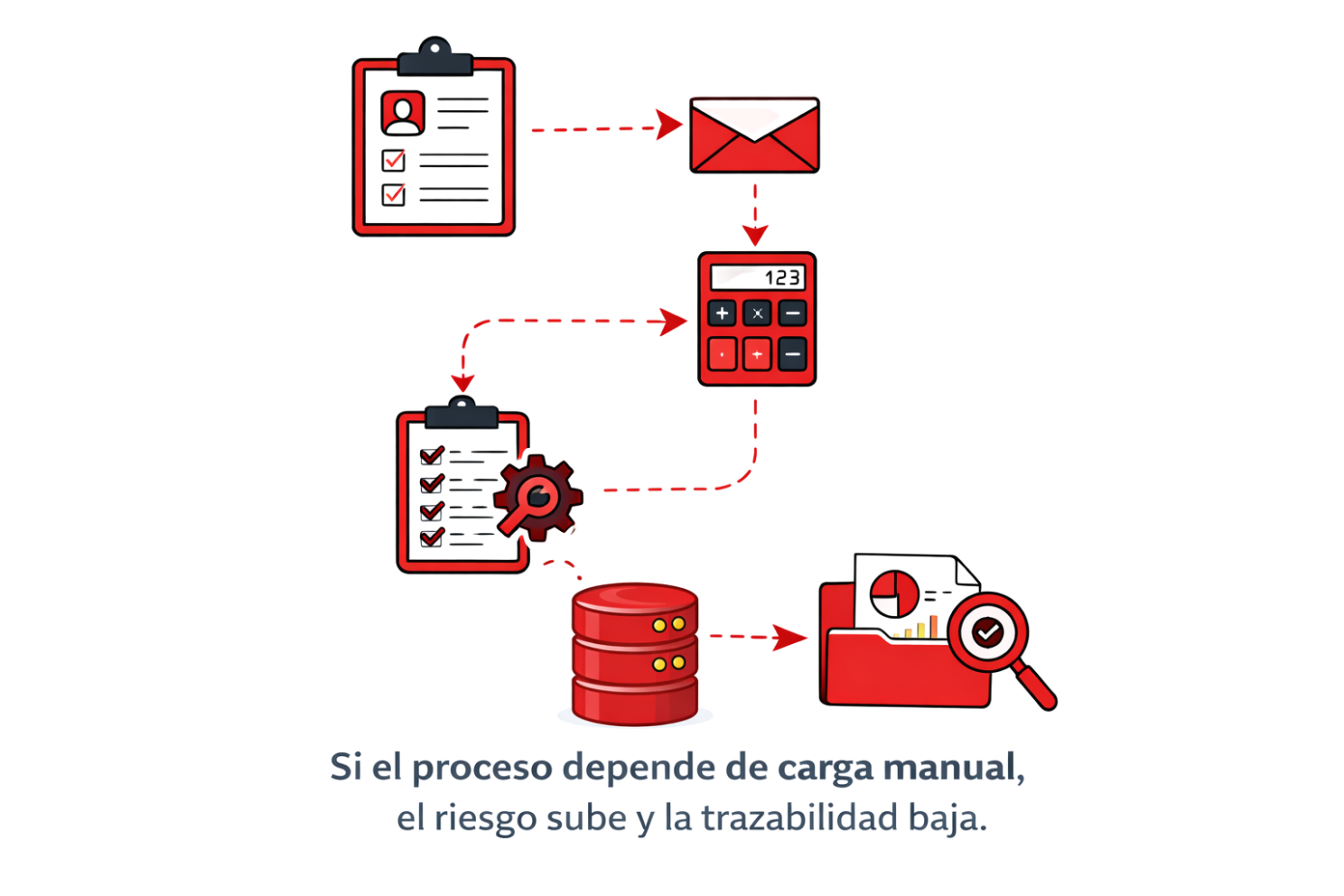
A) Less manual work = less rework (and more traceability)

Global benchmarks tend to agree on one point: a significant portion of the process time is spent manually entering data (incidents, updates, variables, reconciliations between systems).

Craftsmanship tends to correlate with:

  • more reprocessing,
  • less traceability,
  • greater reliance on "tacit knowledge,"
  • more fragile closure (if a key person is missing, the process suffers).

How this translates to outsourcing: when the service incorporates integrations, data governance, automation (RPA), and ticket management, "invisible work" is reduced and control over closure is increased.

Recommended KPIs

  • Percentage of new items received on time vs. late
  • % of new entries rejected by validation
  • Percentage of manual vs. automatic loading
  • corrections per period (and root cause: input/calculation/policy)

B) Governance (SLA + dashboards) = operational stability

Article content

In Latin America, a regional survey of shared service centers (SSC/GBS) shows signs of back-office maturity:
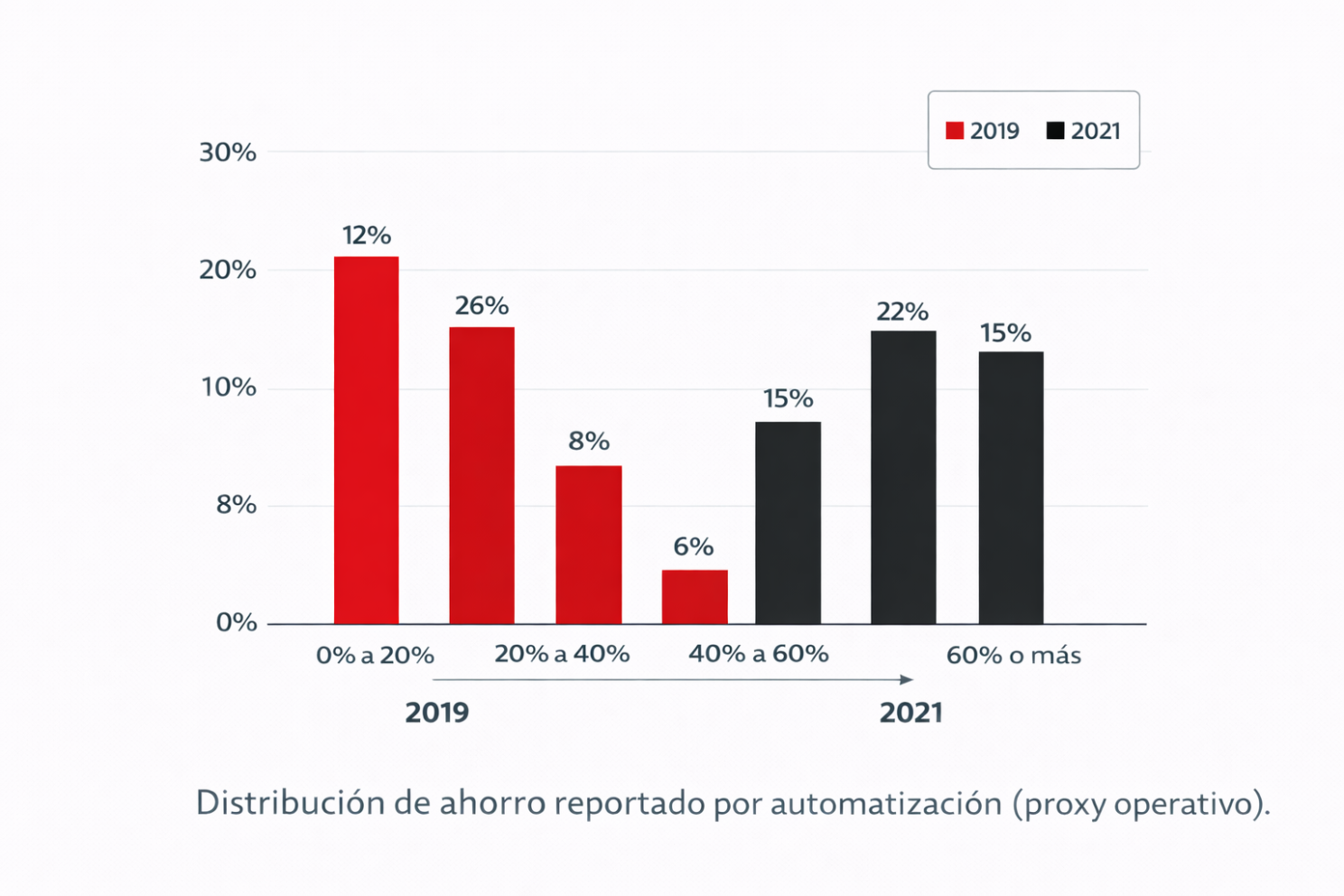
  • 85% report using SLAs
  • 75% report adopting RPA
  • 80% recoup automation investments in ≤ 2 years
Article content
Aunque esto no es “solo nómina”, sí es muy relevante: remuneraciones suele ser un proceso núcleo del back-office y se beneficia especialmente de estandarización, gobierno y automatización.

Recommended KPIs

  • Compliance with the schedule (closing SLA)
  • “Days to close”: from news cutoff to final broadcast
  • Average ticket resolution time and backlog
  • Variability of closure (deviation between normal months and peak months)

C) Quality and errors: the cost is measurable (and often surprising)

Payroll errors are not just "an HR problem": they generate direct and indirect costs (reprocessing, claims, attrition, and potential regulatory exposure).

A 2022 study on payroll errors estimated as a reference:

  • Average cost per error: ~USD 291
  • Average accuracy: 80.15% (as defined in the study)
Importante: esta referencia no es regional (se usa como “orden de magnitud” cuando no existe línea base comparable por país). Lo valioso aquí es el enfoque: si no mides errores, estás administrando a ciegas.

Recommended KPIs

  • % of settlements with impact
  • periodic recalculations
  • Estimated internal cost per correction (hours + reprocessing)
  • Top 5 causes for correction (to attack the root cause)

3) Ready-to-use metrics (to put numbers on the conversation)

Unit costs (to understand variability, not to make promises)

Cost per payroll receipt (USD/receipt)

  • By region (global references): North America ~3.70 | APAC ~6.31 | EMEA ~21.39
  • Por tamaño (economías de escala muy fuertes): ~2,14 (>25K empleados) a ~33,60 (<500 empleados)

Practical tip: Comparing "cost per receipt" without adjusting for size/region often leads to erroneous conclusions. It is better to use it to measure gaps and then calculate your company's actual TCO.

Total cost of ownership (to discuss TCO)

A cross-sectional process benchmark (APQC-type framework) provides a median cost reference for the "manage pay" process per output/payment:

  • Median: ~USD 5.48 per disbursement

(Useful for framing TCO, not as an absolute truth).

Cycle time

In global terms, more than 30% report that completing regular processing takes more than 4 days.
4) Real risks (and how to mitigate them without romanticizing outsourcing)

Article content

Outsourcing payroll does not eliminate risks; it changes the type of risk. Three key fronts:

1) Legal/labor: correct classification of the service

In some countries, outsourcing is confused with subcontracting personnel (and that can open up exposure). The point is to clarify that it is outsourcing of the process (BPO/managed service), not the supply of personnel.

Minimum mitigations

  • Contract with clear scope + RACI matrix
  • Enforceable SLAs + monthly governance
  • Audit right + reversibility plan (exit)

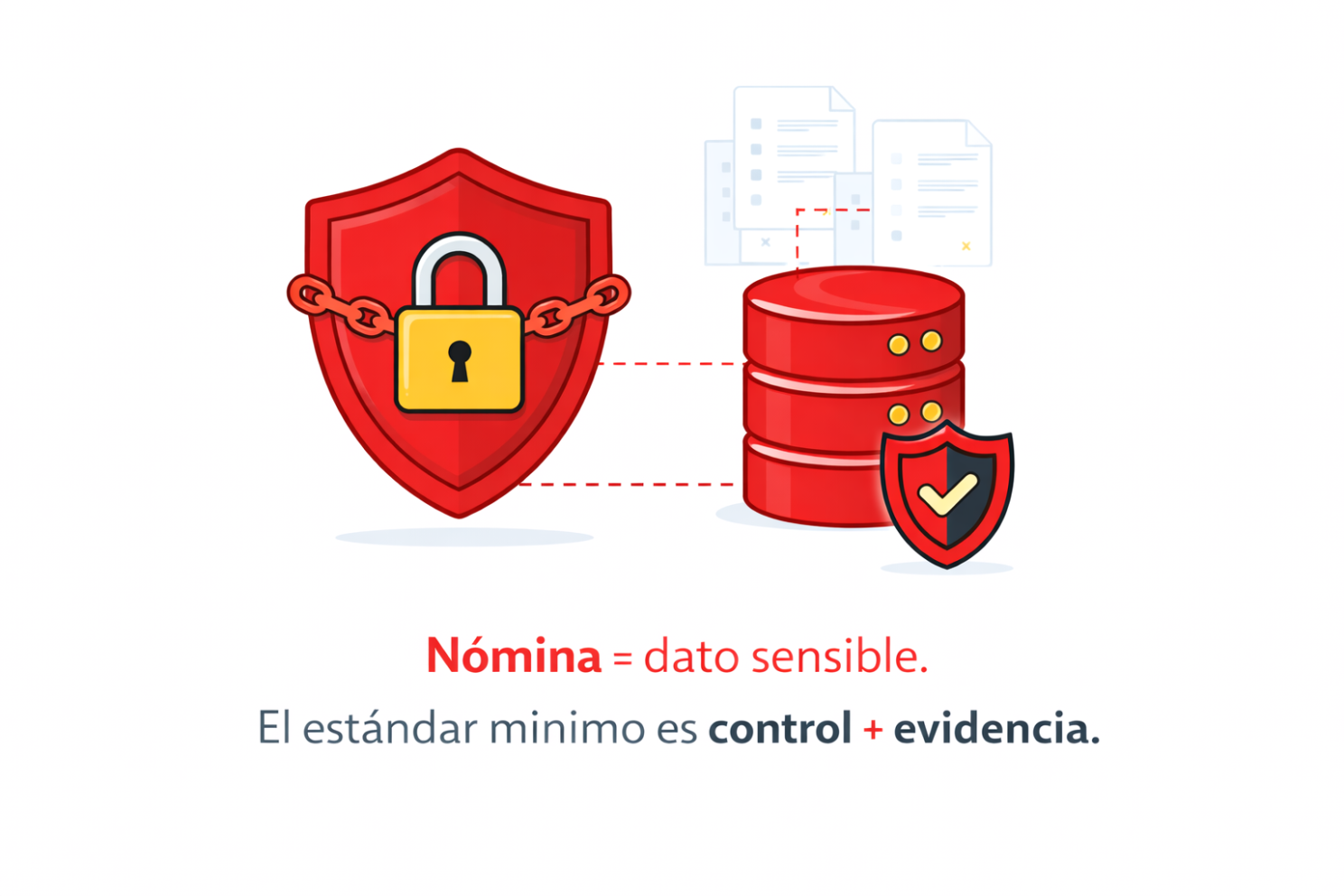
2) Personal data: payroll is sensitive data by definition.

If you operate in LATAM, a "minimum map" of frameworks to consider includes:

  • Brazil (LGPD), Mexico (LFPDPPP), Colombia (Law 1581), Peru (Law 29733), Argentina (Law 25.326), Chile (Law 19.628)

Minimum mitigations

  • Data map (what, where, who accesses it, how much is stored)
  • Subprocessor clauses, hosting, cross-border transfers
  • Retention/deletion and incident reporting

3) Security and third-party control

Auditable best practices that raise the bar:

  • Controls aligned with ISO/IEC 27001 (information security management)
  • Independent evidence of SOC 2-type controls (where applicable)
  • MFA, encryption, least privilege, segregation of duties, and monitoring

5) Practical recommendations (SMEs vs. large companies)

If you are an SME

Priority: continuity + control + reduce manual labor

  • Measures 4 basic KPIs: TCO, cycle time, corrections per period, and % manual labor
  • Define simple but enforceable SLAs (timeline, response, corrections)
  • If you currently rely on spreadsheets without traceability, outsourcing should improve control, not degrade it.

If you are a large company / multi-country

Priority: standardize, scale, and comply

  • Design a governance model: service committee, dashboards, internal audit, change management
  • Minimum standard: segregation of duties, logs, auditable evidence, and reversibility plan
  • In multi-country, prioritize data architecture and transfer/hosting compliance

Conclusion

El outsourcing de remuneraciones puede ser una palanca real de orden y escalabilidad cuando se decide con mentalidad de control: gobernanza, datos y KPIs. Si la decisión se basa solo en costo unitario, es fácil llevarse sorpresas. El valor suele capturarse en TCO, reducción de retrabajo, continuidad y riesgo.



Recent articles

Payroll outsourcing in Latin America: what are the real benefits (and what KPIs should guide the decision)?

Payroll is a quiet process... until...

Challenges for the Technical Recruitment World

At Wiseplan Chile, we have a proven track record...

We know what you're going through, because we've been there too.

At Wiseplan, we speak from experience. Everyone...

Related articles

Did you know that today there are technological platforms that harmoniously combine payroll calculations and the execution of organizational development projects?

Currently, there are recognized technology platforms for calculating compensation and organizational development that...

Pay Equity

Wiseplan Chile When we talk about pay equity, we are referring to considering certain factors, such as...

What is meant by management control in remuneration

What is meant by management control in remuneration?

Compensation management involves overseeing and managing all aspects related to...

Challenges for the Technical Recruitment World

At Wiseplan Chile, we have 12 years of experience and expertise in the domestic market...